
I developed the below reflection to help stir reflection on the expansiveness of the Father’s love and our maturing in that love. There is much commentary I could give on this passage, but it is best that we hear from the Spirit via the Word.
The passage is 1 John 4:7-19.
I’d encourage settling into a quiet spot. Slowing yourself. Asking the Spirit to soften your heart to receive the Word. Read the passage, several times as needed. There are some short reflection questions at the end.
1 John 4:7-19 The Apostle John’s Quintessential Statement on Love
7 Beloved, let us love one another, for love is from the Father, and whoever loves has been born of the Father and knows the Father. 8 Anyone who does not love does not know the Father, because the Father is love. 9 In this the love of the Father was made manifest among us, that the Father sent his only Son into the world, so that we might live through him. 10 In this is love, not that we have loved the Father but that he loved us and sent his Son to be the propitiation for our sins. 11 Beloved, if the Father so loved us, we also ought to love one another. 12 No one has ever seen the Father; if we love one another, the Father abides in us and his love is perfected in us.
13 By this we know that we abide in the Father and he in us, because the Father has given us of his Spirit. 14 And we have seen and testify that the Father has sent his Son to be the Savior of the world. 15 Whoever confesses that Jesus is the Son of the Father, the Father abides in him, and he in the Father. 16 So we have come to know and to believe the love that the Father has for us. The Father is love, and whoever abides in love abides in The Father, and the Father abides in him. 17 By this (i.e. abiding in the Father) is love perfected in us, so that we may have confidence for the day of judgment, because as he is so also are we in this world. 18 There is no fear in love, but perfect love casts out fear. For fear has to do with punishment, and whoever fears has not been perfected in love. 19 We love because the Father first loved us.
—————————
- What is revealed to you in this passage about the Father? What surprises you?
- What from this passage can you be grateful for? Express that to God.
- What convicts you? What is there you want to confess to God? Take time to confess that. Receive His forgiveness promised to us in Jesus (1 John 1:8-9, 2:1-2; Romans 5:1)
- What else is the Spirit teaching you from this passage?
- Fear is such a prevalent reality for all of us. Fear is a healthy, God-given emotion that can protect us. Fear, in the context of a safe, healthy relationship can also hinder us. If our fear is a fear that the Father rejects us, does not want to be with us or is somehow put off by us, then it is a hindering fear. This sort of fear is a true hinderance to receiving the Father’s love. Where there is love, fear is minimized, diminished, scattered. What areas of your life is fear present and how is the Father’s love specifically addressing that area? Consider this in terms of God’s initiative, presence and activity – not you trying harder or simply suppressing or pushing the fear away. Allow Him to be present with your fear in His love and offer His kind care to you in that reality.
I’d love to hear what the Lord stirs in you.
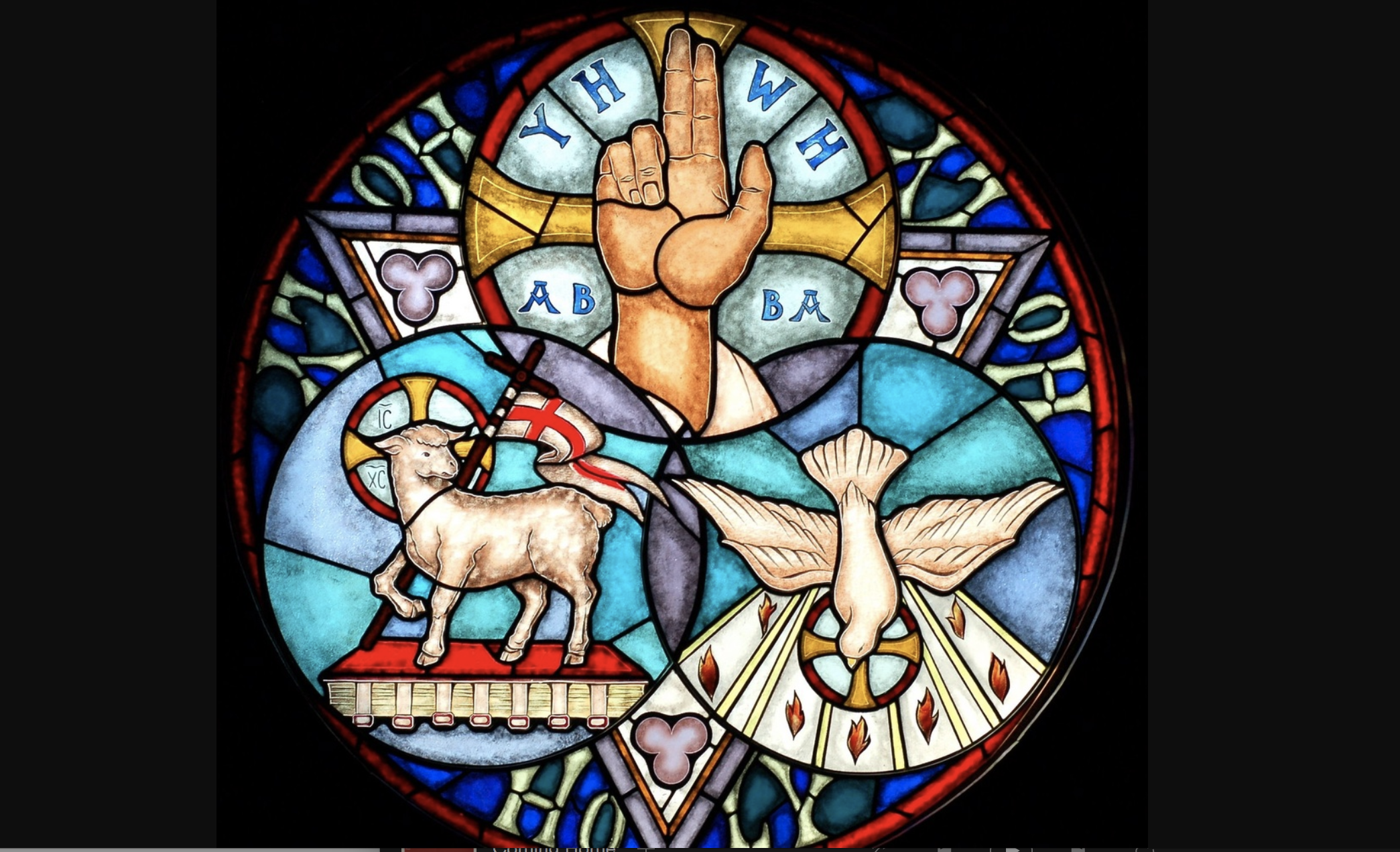
Were you aware that the Father abides in you, just as Christ does? That he indwells you, just as the Spirit does? Our God is One God. Where one person of the Trinity is at work, the others are equally present.
Be encouraged in the Father’s love today.




 Tending Scattered Wool