Addressing a Huge Gap and the Primary Reason for Pastoral Care

© Scott E. Shaum 2014
IMG_6840 - Version 2


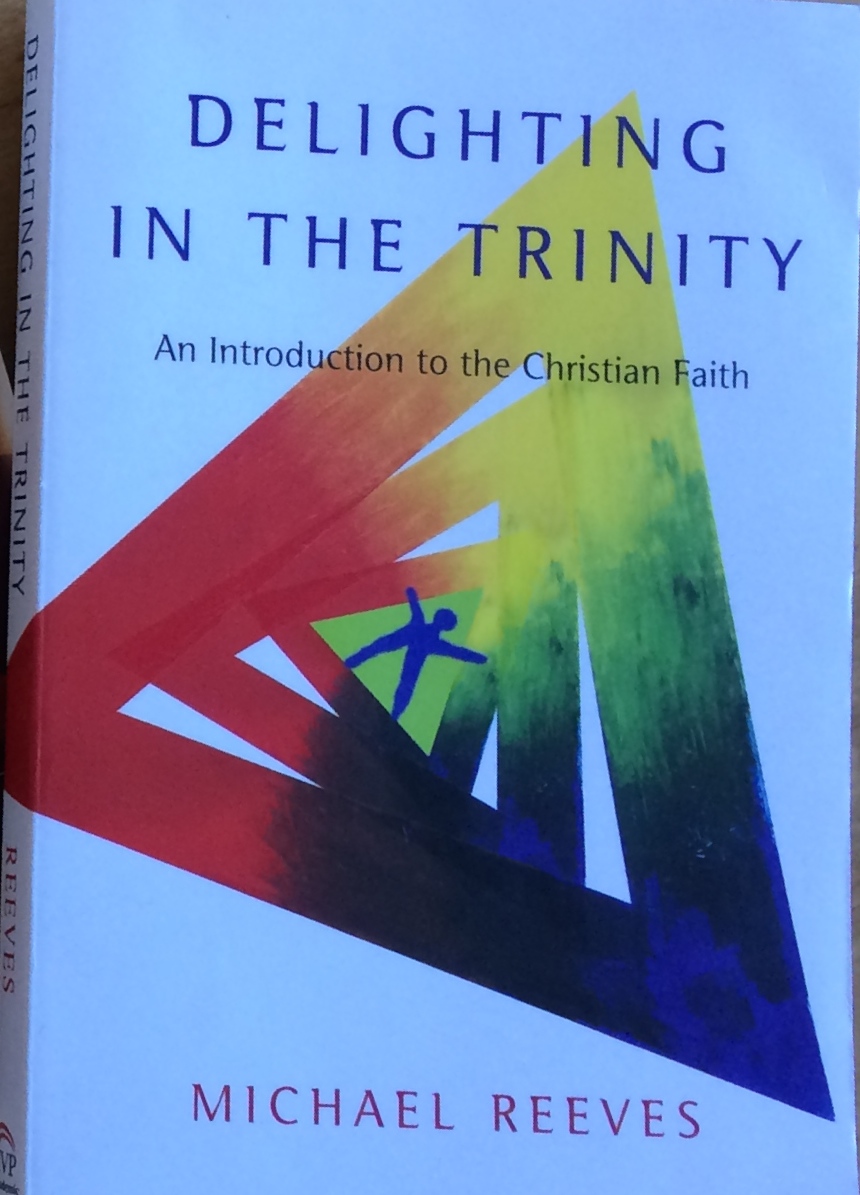
Michael Reeves Delighting in the Trinity is one of those if-you-have-a-pulse-you-gotta-read-this-book reads. It is the most significant book I have read in the past 5 years or so. Reeves is a British historical theologian which may sound like the stuff of boredom and you will be pleasantly surprised. Reeves writes of deep and neglected truths in an endearing, engaging, witty manner. I have read and reread portions of this book so many times I have lost count. It costs a pittance for your Kindle. Buy it. Ingest it. It is essential reading for your walk with God and for how you care for others. This is not a book about pastoral ministry. But its ramifications are profound on the work of shepherds. Why? Let me throw this out which I will build upon in other entries:

We do not shepherd others for effectiveness nor productivity nor for maturation nor personal well-being. These are all corollary dynamics that are desirable for sure. However, we shepherd for one primary reason, one alone. That purpose is to facilitate the Spirit’s work in the other’s life to be aware and attentive and responsive to the constant invitation to join the eternal communion that is the Father and the Son. Period. It is all about relationship – God with us and our response to God in turn. If we care for others for any other primary objective – no matter how good or biblical, then we miss a crucial element of the shepherding work.

Be encouraged to obtain this book and allow it to address your own walk with the Father and the Son. Shepherding ramifications will follow. And if you have or do read it, please comment on it.

Posted in Resources, Thinking Well | Tagged , | 1 Comment

Joining in on the Good Shepherd’s Work

“I am the Good Shepherd.”

IMG_0577_2

Jesus is the Shepherd. We do not ever replace him.  He kept Peter in reigns when he commissioned him to “tend my sheep” (John 21: ).  These sheep are his sheep.  They are never “my staff” nor “my team” nor “my flock.” They are his, purchased with his blood (Acts 20:28; 1 Peter 1:18-19; Revelation 5:9-10).  Our insistence on this point is not being legalistic, but rather its being specific. Being particular with our verbiage is wise, for it protects.

First, it protects the sheep from possessive and heavy-handed leaders and other influencers (like shepherds).  Second, it protects the leader from the unhealthy tendencies that seep from the open wound of possessiveness.  Further, we are reminded who we primarily serve.  We do not take over Jesus’ work, we continue it in utter dependence on him. Jesus’ work was to love his Father by doing whatever his Father told him (John 5:19-20, 30; 14:31).  We are to continue this work. This has profound implications in the everyday practice of our work. For we are not to respond to needs around us, we are to love G0d and do whatever he tells us (John 14-16). How do you experience the Father’s personal love for you – no, I mean really experience it? How does that reality direct your daily decisions? This is not mere spiritualistic chatter. This is the ultimate reality. We will wrestle with a Trinitarian model of this shepherding work often.

This blog will seek to present practical tools, solid thinking, wise self-care and development practices all based on an applied theology of shepherding that is Trinitarian, Christo-centric, Word-based and contextualized for the unique work of the international shepherding of cross-cultural workers.  That’s a mouth full. Tune in regularly.

Posted in Shepherding Well, Thinking Well | Tagged , , , | 2 Comments